Article
August 29, 2025
Beyond China: The New Frontier of Plastic Supplier Diversification
Supply chains face risk with China’s plastic dominance. See how emerging hubs and diversification secure long-term resilience.
Read more


China’s rare-earth dominance and new tariffs are reshaping global supply chains. Explore how new production hubs and technology are shifting the landscape.

Rare-earth magnets are the quiet force behind modern technology. They power electric vehicles, wind turbines, medical devices, and countless electronic products that define daily life. Yet behind this technological progress lies a fragile supply chain dominated by a single player: China. With 87% of global rare-earth magnet production concentrated there, recent tariff escalations and export restrictions have sent shockwaves through global manufacturing. Prices are climbing, lead times are lengthening, and procurement teams are scrambling to secure reliable sources in an increasingly unpredictable trade environment.
This emerging “magnet crunch” is a wake-up call for how global sourcing operates. For procurement and supply chain leaders, this shift highlights a growing need for visibility and adaptability. Trade policy, resource concentration, and production capacity are all converging into a complex challenge that demands better data and faster decision-making. In this article, we’ll explore China’s dominance in rare-earth production, the ripple effects of new tariff policies, and the growing scarcity of key materials. We’ll also look at how emerging markets and new technologies are helping businesses adapt to this changing landscape.
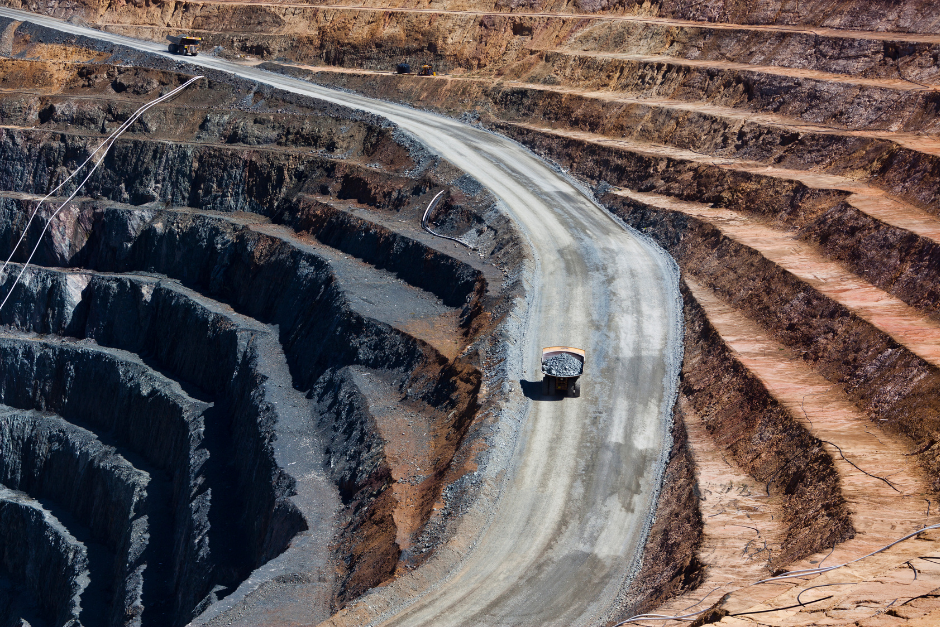
China rules the global rare earth elements (REE) scene with unmatched control of the entire value chain. Many countries have rare earth deposits, but very few know how to extract and process these critical minerals cost-effectively.
China owns just 36% of global rare earth reserves but controls approximately 60% of worldwide rare earth mining operations. The real power lies in processing, where China holds a massive 87% share of global REE processing capacity. This creates a bottleneck that Western manufacturers struggle to work around.
Chinese manufacturers' grip tightens even more with magnet production, making about 90% of the world's rare earth permanent magnets. These high-performance neodymium magnets play a crucial role in electric vehicle motors, wind turbines, and advanced weapons systems. No other country comes close to matching China's complete industrial ecosystem for rare earth elements, built steadily since the 1990s. This advantage comes from technical know-how and China's readiness to deal with the environmental effects of processing these materials.
China has strengthened its hold on these vital resources lately. Beijing rolled out new export controls this October on rare earth processing technologies, including equipment used to extract and separate rare earth elements. These rules target technologies that could help other countries develop their own processing abilities.
Citing national security risks, the country also put export controls on two key rare earth permanent magnets: samarium-cobalt and neodymium-iron-boron. Chinese companies must now get licenses before shipping these products overseas, which makes global supply chains less stable.
China took a page from U.S. semiconductor restrictions and applied a "foreign direct product rule" to rare earth controls. Products made outside China that use Chinese rare earth technologies or materials might face restrictions too.
This affects everyone. Manufacturers using Chinese-derived rare earth materials could run into problems if political tensions rise. Defense contractors, semiconductor makers, and renewable energy companies now face a risky dependency they can't quickly fix. The rules stay purposely unclear, giving Chinese authorities room to enforce them as they see fit. This makes it harder for businesses to follow compliance rules across different regions.
Supply restrictions on rare earth elements have created major problems for industries that need these minerals for advanced applications. Global manufacturing sectors are feeling the effects more each day.
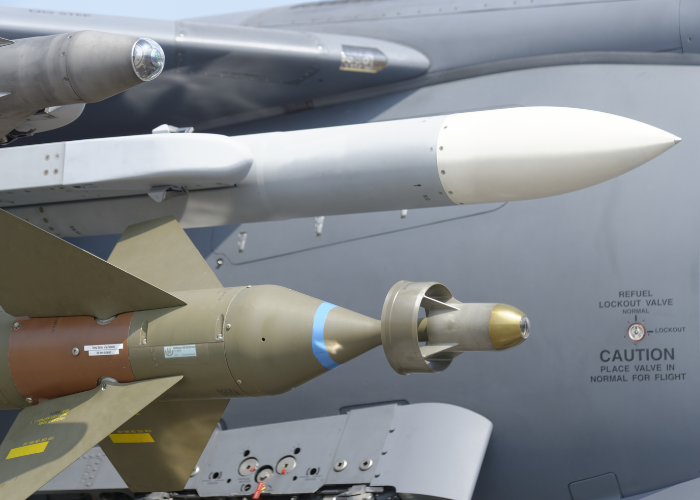
The defense sector struggles the most since rare earth elements play a crucial role in advanced military equipment. An F-35 fighter jet needs over 900 pounds of rare earth elements, while a Virginia-class submarine uses about 9,200 pounds.
China controls about 85% of the global tungsten supply- a mineral the U.S. Department of Defense considers high-risk for supply disruptions and vital for armor-piercing munitions. Military production has slowed down as a result. Small tier 2 and tier 3 suppliers feel these effects first. Production delays ripple up to OEMs and defense prime contractors within three months of any supply disruption.
China's export controls have put the semiconductor industry under new pressure, especially for advanced technologies. These rules target 14-nanometer chips or better, memory chips with 256 layers or more, and related equipment. Taiwan reports that while its semiconductor industry might not see direct major impacts, the restrictions could disrupt global supply chains for electric vehicles and drones.
The supply shortage hits electric vehicle makers particularly hard. Maruti Suzuki, India's largest carmaker, has cut near-term production targets for its first electric vehicle e-Vitara by two-thirds. Their original goal of 26,500 units dropped to about 8,200 vehicles between April and September.
A typical single-motor battery electric vehicle uses about 550 grams of rare earth components, compared to just 140 grams in gas-powered cars. This heavy reliance makes EVs much more susceptible to supply problems.
Market trends show major price swings. Rare earth price indices fell 17.42% from January's peak by late December 2024. Export volumes have also crashed - Chinese rare earth magnet exports dropped 51% in April 2025 compared to March.
Manufacturers have had to take emergency steps because of these changes. Several European parts plants and production lines have shut down due to rare earth shortages. Short-term stockpiles offer little protection, as they can only sustain defense and manufacturing operations through brief disruptions.
“Rare earth elements are indispensable to many of the technologies shaping the Age of Electricity and our increasingly digitalized economies, yet their supply chains remain among the most concentrated of all critical minerals.”
— Fatih Birol, Executive Director of the International Energy Agency (IEA)
Countries worldwide are looking for new sources of rare earth materials to reduce their dependence on China's monopoly. This search has created opportunities for several nations to build a more diverse global supply chain.
Lynas Rare Earths has become the world's largest rare earth producer outside China. The company runs the Mt Weld mine in Western Australia and operates a massive 100-hectare processing facility in Kuantan, Malaysia. This facility stands as the only major producer of separated rare earth materials outside Chinese territory.
Lynas reached a major milestone when it produced commercial quantities of dysprosium oxide at its Malaysian facility in May 2025. This achievement made it the first company outside China to do so.
The United States government partnered with MP Materials to speed up domestic rare earth magnet production. A deal struck in July 2025 saw the Department of Defense make a $400 million equity investment, which made it MP Materials' biggest shareholder. The agreement sets a price floor of $110 per kilogram for neodymium-praseodymium products. The Pentagon also promised to buy magnets from MP's new facility. MP Materials runs America's only rare earth mine at Mountain Pass, California, which supplies about 15% of the world's rare earth materials.
Vietnam has impressive rare earth reserves of 3.5 million metric tons, making it the world's sixth-largest holder. The country wants to produce 60,000 tons of rare earth oxides each year by 2030. India's government reports show reserves of 8.52 million tons of rare earth elements. Greenland adds to these options with at least 10 major rare earth deposits, mostly in its southern parts.
The European Union launched its Critical Raw Materials Act in May 2024. This act sets standards for 2030: domestic extraction should reach 10% of annual use, processing 40%, and recycling 25%. France leads Europe's efforts with Solvay's La Rochelle facility. This plant can process all 17 rare earth elements - a capability matched only by facilities in China. The expanded plant aims to meet 30% of European demand by 2030.
Technological advances create promising ways to protect supply chains from rare earth disruptions. Companies can now direct complex procurement with better agility and foresight.
Companies should keep higher inventory levels to alleviate short-term supply shortages, though this ties up capital and raises storage costs. Building supply relationships across multiple regions reduces dependence on dominant players and creates viable alternatives during disruptions. Specialized processing hubs serve as another strategic approach. These centralized facilities make regulatory requirements simpler, bring technical expertise together, and create economies of scale.
Finding reliable suppliers in a rapidly changing market is increasingly difficult. AI-powered supplier discovery changes the game by scanning global supplier databases, analyzing production capabilities, certifications, and regional risks to surface qualified alternatives quickly.
Matchory’s platform uses this intelligence to help procurement teams identify new suppliers, compare them against existing partners, and validate their reliability. By automating and structuring supplier data, businesses can uncover options they might never have found manually, diversify sourcing, and make faster, more confident decisions. In the context of the rare-earth magnet shortage, this approach ensures supply chain continuity while reducing dependence on any single region or supplier.
Modern digital solutions provide both preventive and reactive risk management capabilities. Predictive algorithms monitor supplier financial stability more accurately than traditional methods based on outdated financial data. Contract management applications store critical parameters in central databases automatically. This helps companies trace approval processes quickly and establish legal positions during disruptions.
The rare-earth magnet shortage has exposed the vulnerabilities of a global supply chain heavily reliant on a single country. China’s dominance, coupled with recent tariffs and export restrictions, has created significant risks for industries ranging from electric vehicles to defense. As prices fluctuate and lead times extend, procurement and supply chain teams are facing mounting pressure to secure reliable sources and maintain production continuity.
Emerging alternatives in Australia, the United States, Vietnam, India, and Greenland, alongside policy initiatives like the EU’s Critical Raw Materials Act, are beginning to offer pathways toward diversification. However, identifying and validating these suppliers requires more than traditional sourcing methods. Companies that proactively explore these markets and invest in robust supply chain strategies will be better positioned to weather future disruptions.
Artificial intelligence is playing an increasingly critical role in this transformation. By enabling global supplier discovery, real-time risk analysis, and data-driven decision-making, AI platforms like Matchory help organizations reduce dependency on a single region, uncover hidden opportunities, and build supply chains that are resilient, agile, and future-ready.

Schedule a product demo video call with a supplier scouting expert.
 Book a demo



Sit back and get a quick overview of the features of the Matchory platform.

Tell us your inquiry and get in touch with the respective expert.